Popular ESP32 boards
The dev boards people actually buy and build with, as opposed to the bare modules they're based on. Specs, prices and the gotchas that bite, with a link to the SoC each one runs.
Board specs and prices are community/vendor-sourced and move around; confirm before ordering.
Shopping for a screen? Compare every display board in one filterable table →
Building a Home Assistant panel? The display-board picker →
New to the "Cheap Yellow Display"? Read the CYD family guide →
Display boards
-
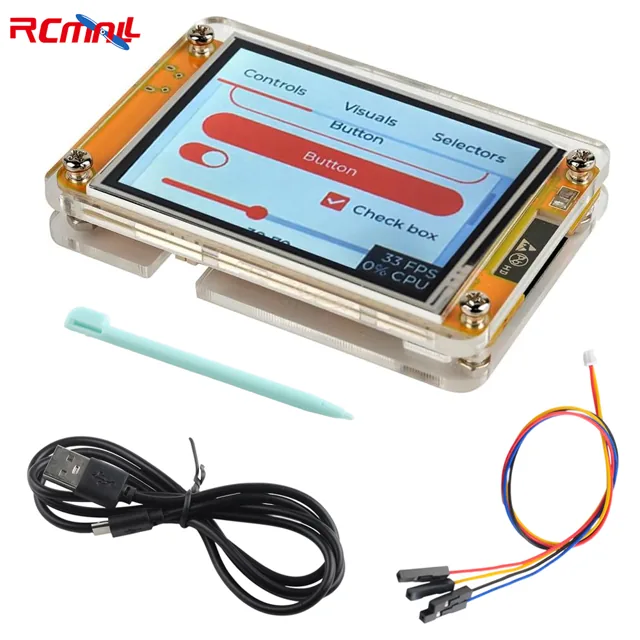 ESP32 Cheap Yellow Display (CYD) The cheapest way to get an ESP32 with a colour touchscreen on one board. A huge community has grown around it for smart-home panels, dashboards and retro UIs.
 -
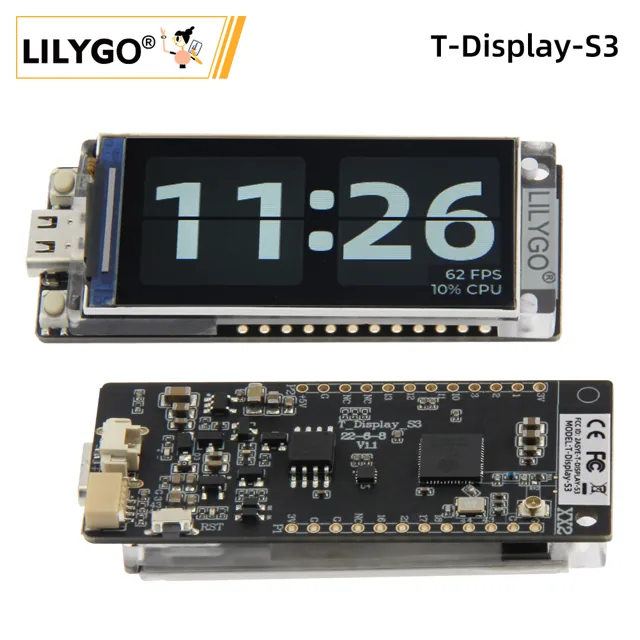 LilyGo T-Display-S3 Bright 1.9" wide IPS in a slim board with native USB-S3 and generous PSRAM/flash; popular for tickers, gauges and handheld UIs.
 -
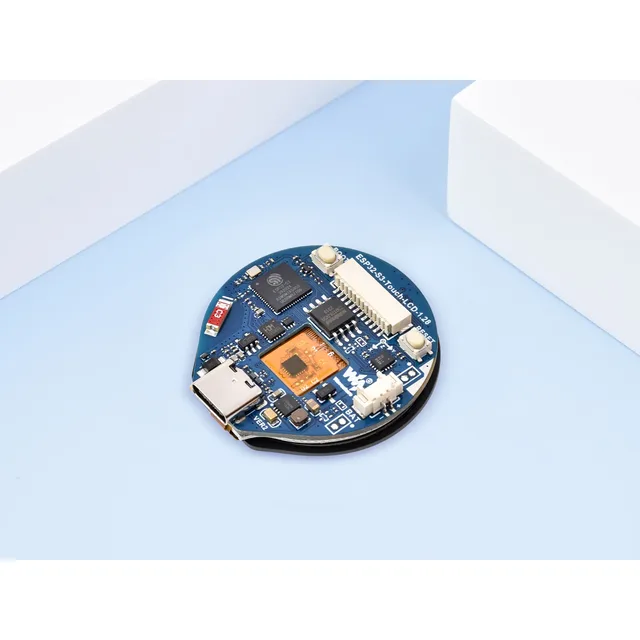 Waveshare ESP32-S3-Touch-LCD-1.28 (round) A round 1.28" touch display with a 6-axis IMU on one ESP32-S3 board, the easy path to smartwatch, compass and circular-gauge projects.
 -
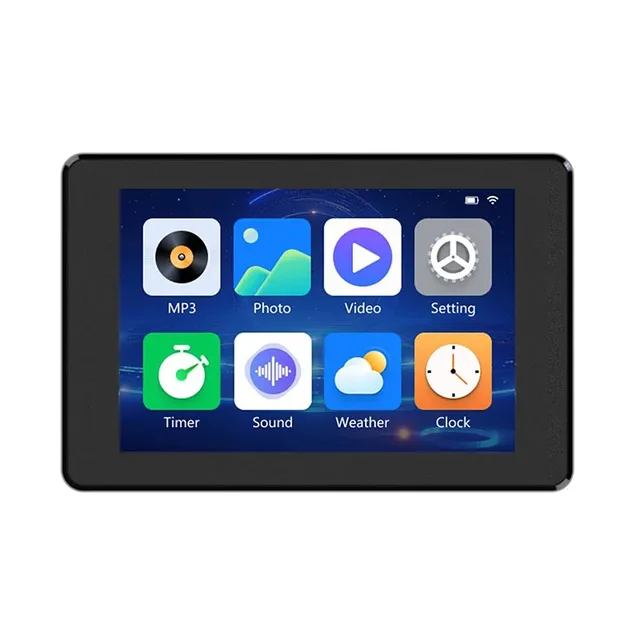 Guition JC3248W535 (3.5" ESP32-S3) The 'better CYD': a 3.5" IPS with capacitive touch, an ESP32-S3 with 16MB flash / 8MB PSRAM and a battery-charge circuit, for barely more than the original resistive CYD. The QSPI display leaves real GPIO free.
 -
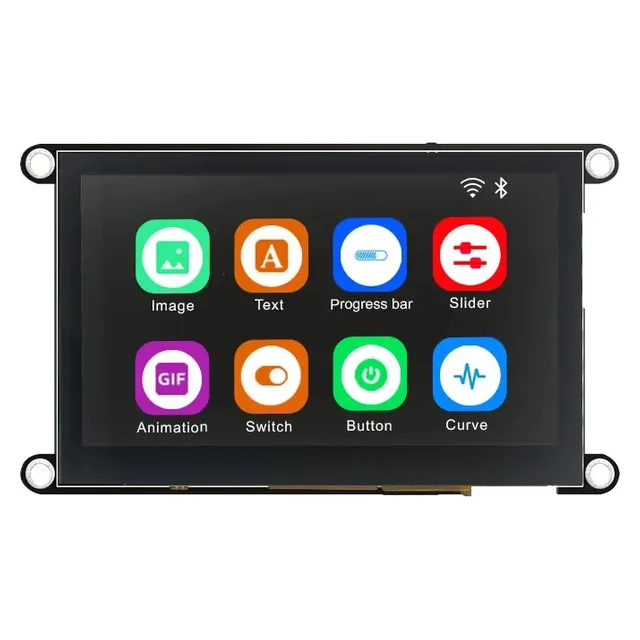 Guition JC4827W543 (4.3" ESP32-S3) A 4.3" capacitive touch panel on an ESP32-S3 for around $12 — the successor to Sunton's 4827S043 and one of the cheapest routes to a decent-sized LVGL UI. Officially supported by openHASP.
 -
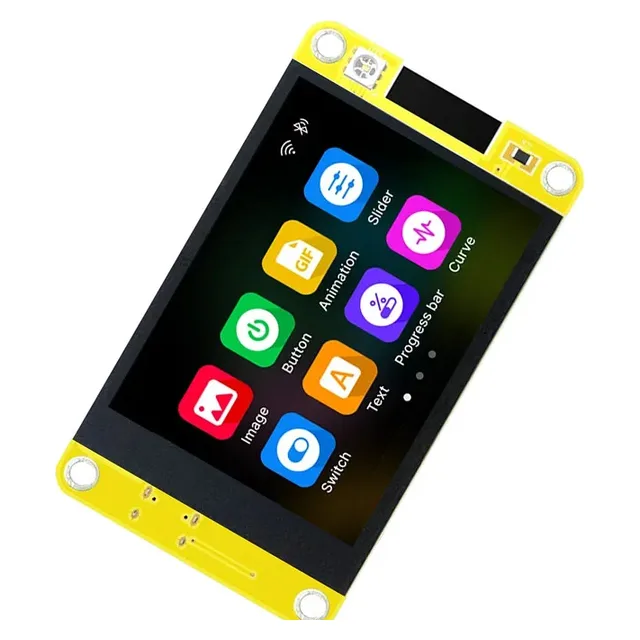 Guition JC2432W328 (capacitive CYD) Fixes the classic CYD's biggest regret — resistive touch — for about $3 more: same 2.8" 240x320 class, but capacitive CST820 touch and USB-C. Increasingly what people mean when they say 'CYD' in 2026.
 -
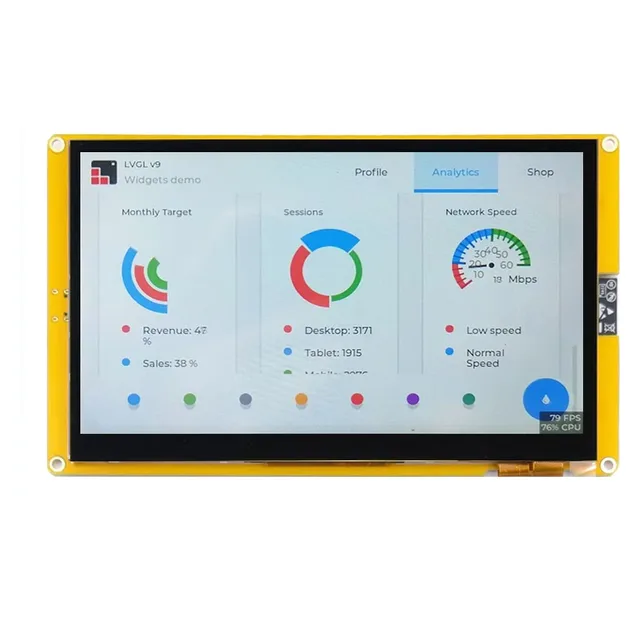 Sunton ESP32-8048S070 (7" RGB panel) The cheapest way to a 7" touch dashboard: ESP32-S3 N16R8 driving an 800x480 parallel-RGB panel with GT911 capacitive touch for ~$22. The default budget pick for Home Assistant wall dashboards.
 -
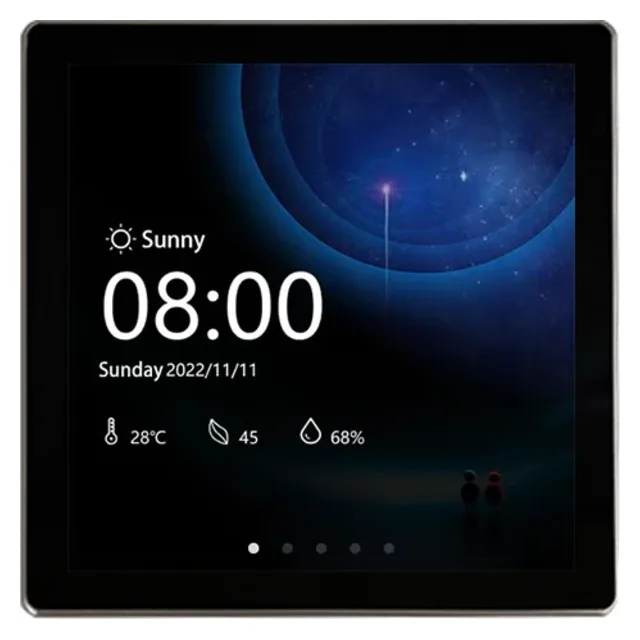 Guition ESP32-S3-4848S040 (4" wall panel) The established Home Assistant wall-switch pick: a square 4" 480x480 IPS that fits 86-style wall boxes, with relay-equipped SKUs to replace a light switch outright. Its HA community megathread runs to 700+ posts.
 -
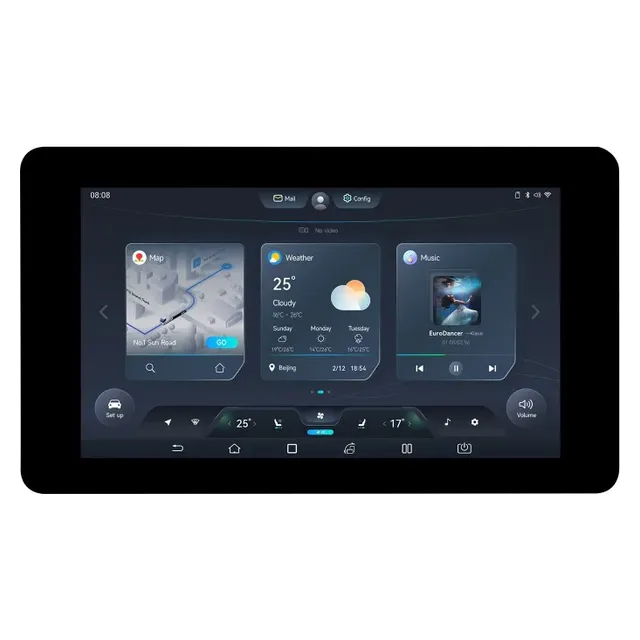 Waveshare ESP32-S3-Touch-LCD-7 The community-workhorse 7" Home Assistant wall panel: better-documented than the Sunton equivalent, with a CH422G IO expander, RS485/CAN and I2C headers, a big HA megathread and a reusable community ESPHome package.
 -
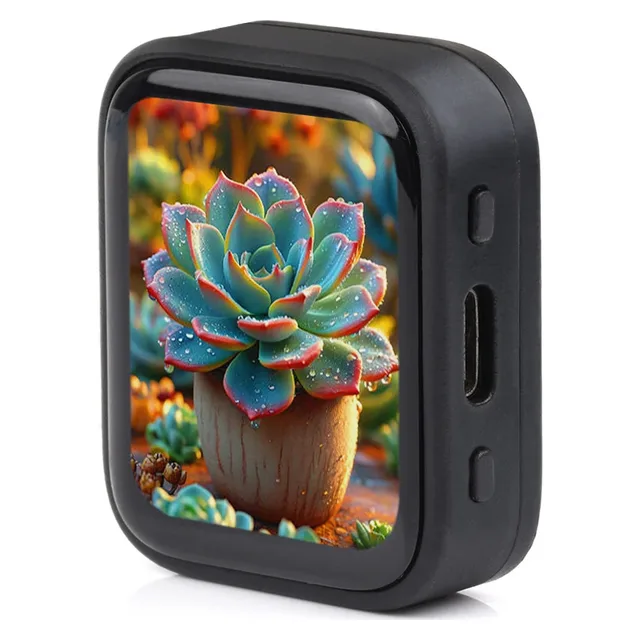 Waveshare ESP32-S3 Touch AMOLED 1.8" The DIY-smartwatch favourite: a crisp 368x448 AMOLED plus AXP2101 PMU, IMU, RTC and an ES8311 audio codec on one tiny board — a complete wearable/voice-widget platform for ~$30.
 -
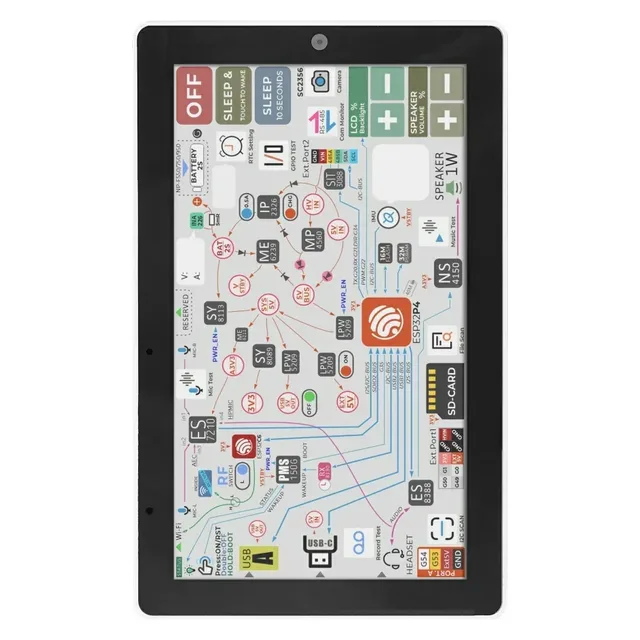 M5Stack Tab5 (ESP32-P4) The showcase ESP32-P4 device: a 5" 720p MIPI-DSI multi-touch tablet with a 2MP camera, mics, speaker, RS-485 and USB host for ~$60. 32 MB of in-package PSRAM makes it the first ESP32 that feels roomy for big UIs.
 -
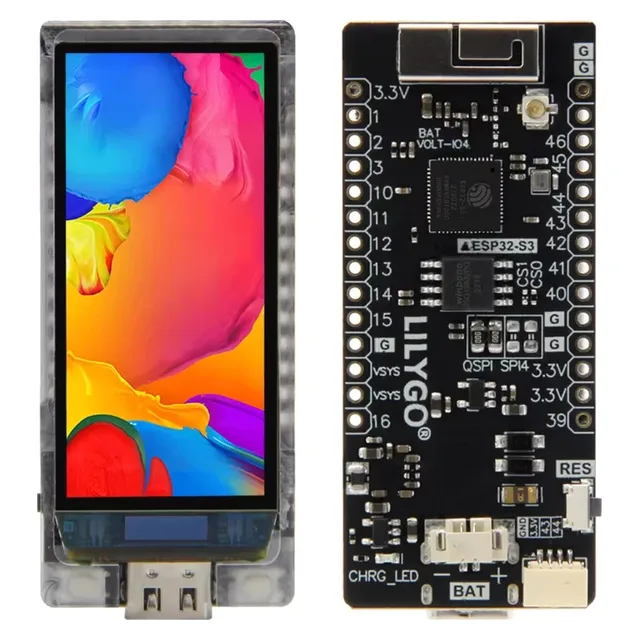 LilyGo T-Display-S3 AMOLED The T-Display-S3's premium sibling: a punchy 240x536 AMOLED strip with true blacks and high contrast, ideal for tickers, gauges and pocket UIs where the wide-format IPS looks washed out.
 -
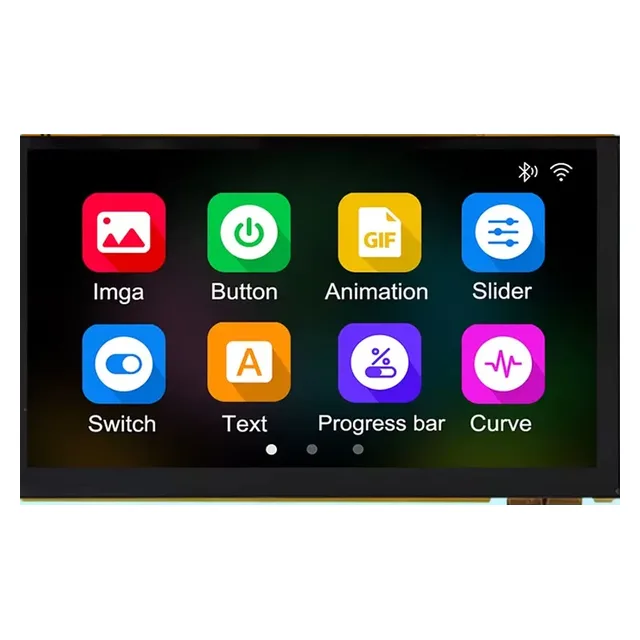 Guition JC1060P470 (7" ESP32-P4) The price disruptor of the ESP32-P4 wave: a 7" 1024x600 MIPI-DSI capacitive touch panel with Wi-Fi 6 for ~$35 — the resolution and smoothness the S3 RGB boards can't reach, at Sunton money. A 10.1" sibling (JC8012P4A1) is ~$44.
 -
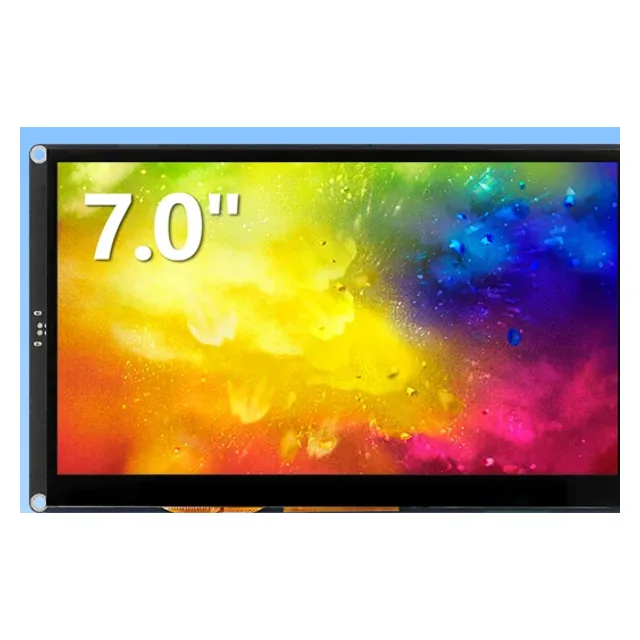 Elecrow CrowPanel Advance 7" The polished 7" HMI option: IPS + capacitive across the Advance line, onboard mic and speaker for voice work, and a unique swappable wireless socket (ESP32-C6 Wi-Fi 6, H2 Zigbee, or SX1262 LoRa/Meshtastic module). Ships with proper LVGL/SquareLine tutorials.
 -
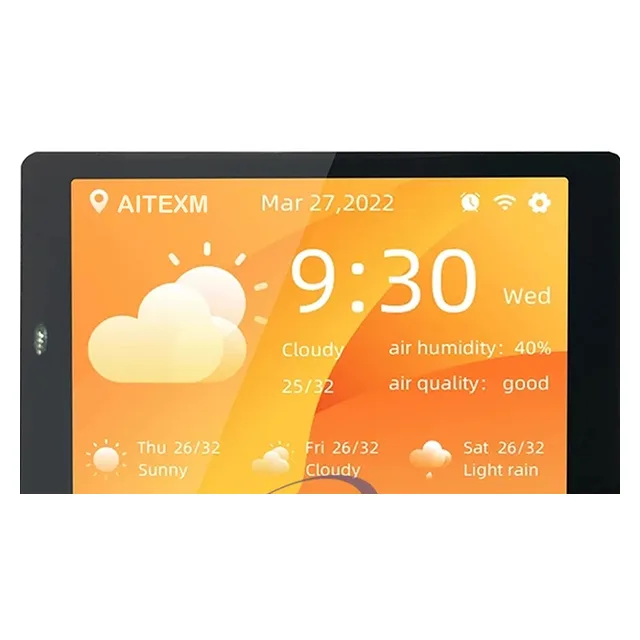 WT32-SC01 Plus The pre-Guition default smart panel: a clean 3.5" IPS capacitive unit with a bezel that looks finished on a wall or desk. An openHASP officially-supported board with years of tutorials behind it.
Tiny / minimal
-
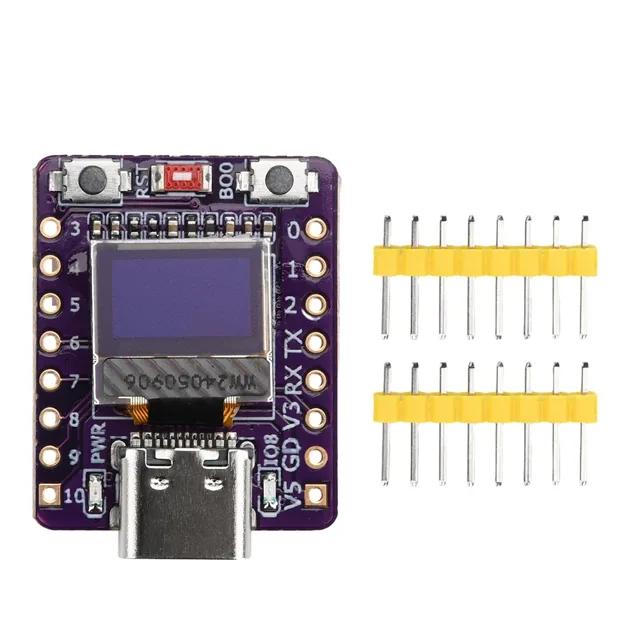 ESP32-C3 SuperMini Dirt-cheap, thumbnail-sized RISC-V board with USB-C and BLE 5, ideal for sensors, beacons and one-off projects. The 0.42" OLED variant was the top affiliate seller.
 -
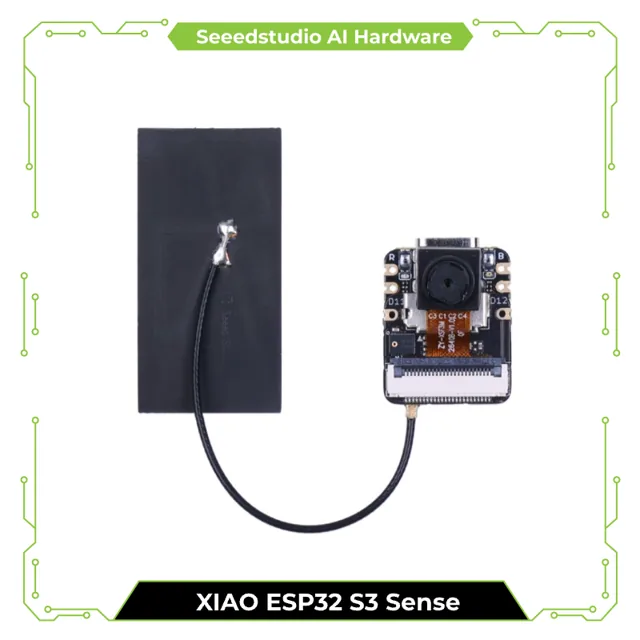 Seeed XIAO ESP32-S3 (& Sense) The smallest practical ESP32-S3 board (21 x 17.5 mm) with LiPo charging. The 'Sense' add-on (OV2640/OV3660 camera plus mic plus microSD) makes it a go-to for TinyML and on-device vision/audio.
 -
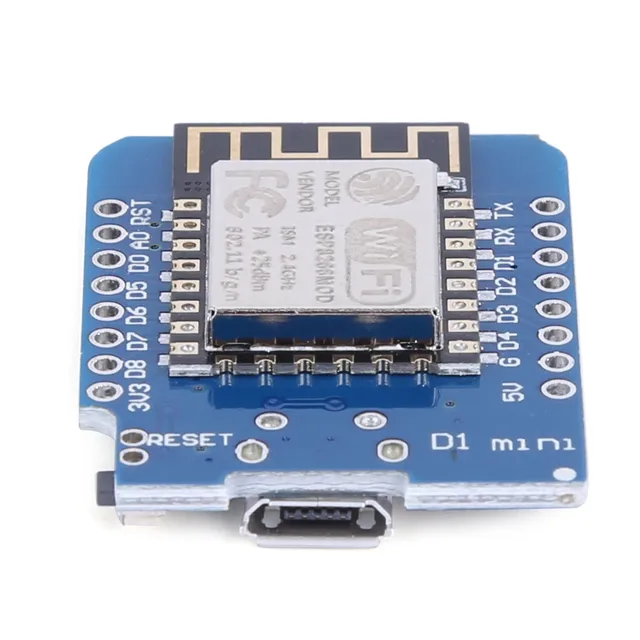 LOLIN (Wemos) D1 Mini The cheapest, smallest way onto Wi-Fi: a thumb-sized ESP8266 with a big shield ecosystem (battery, relay, OLED, DHT). For many people it was the first ESP board they ever flashed.
 -
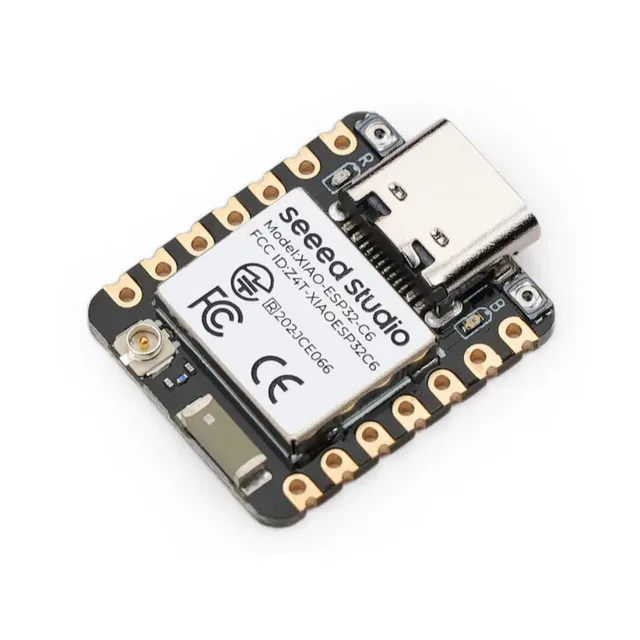 Seeed XIAO ESP32-C6 A thumbnail board that brings Wi-Fi 6 plus Thread, Zigbee and Matter to the popular XIAO footprint: the easy on-ramp to Matter-over-Thread smart-home work, with both an onboard and a u.FL antenna.
 -
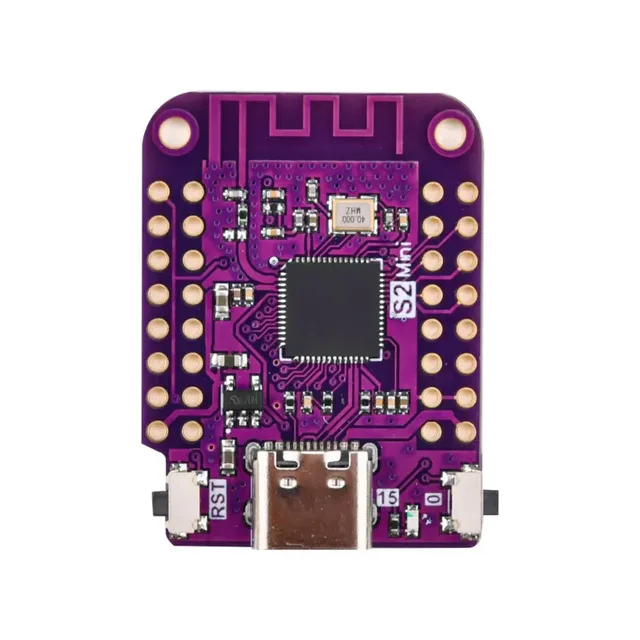 LOLIN (Wemos) S2 Mini About the cheapest way to get native USB on an ESP32-class chip: a tiny S2 board with USB-C, plenty of GPIO and 2MB PSRAM. A favourite for USB-HID gadgets and CircuitPython.
Camera
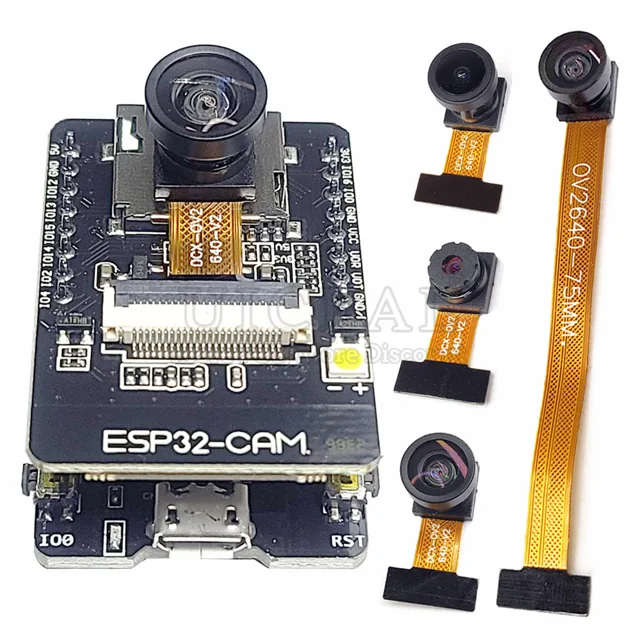 ESP32-CAM (AI-Thinker)
 LoRa / mesh
-
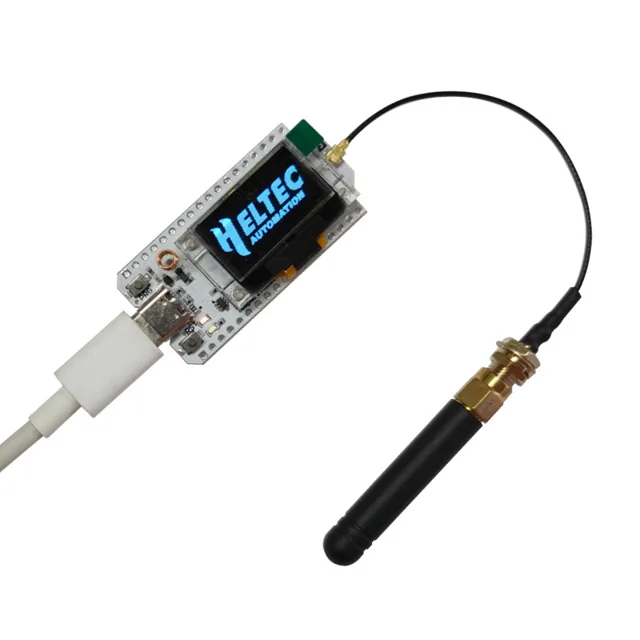 Heltec WiFi LoRa 32 (V3) The default node for Meshtastic / MeshCore / LoRaWAN: ESP32-S3 plus a Semtech SX1262, a small OLED and LiPo charging, for off-grid mesh messaging and long-range telemetry.
 -
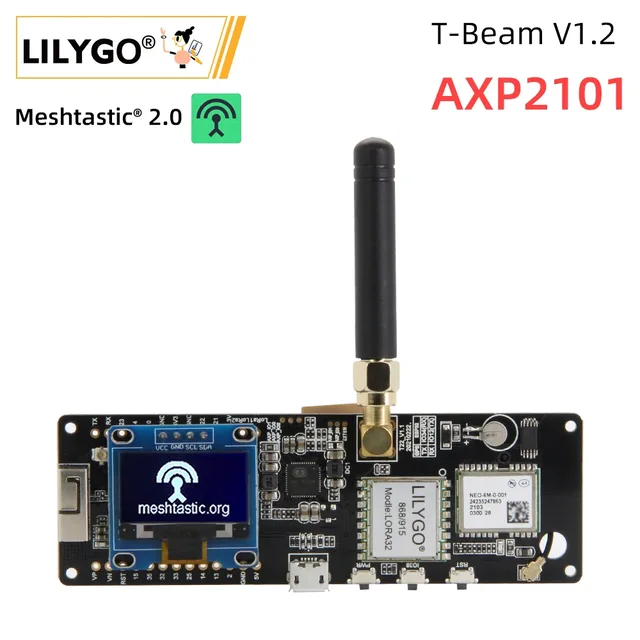 LilyGo T-Beam (LoRa + GPS) The go-to Meshtastic node: ESP32 plus LoRa, GPS and an 18650 holder on one board, so you can build an off-grid mesh-comms device without wiring radios yourself.
Finished gadgets
-
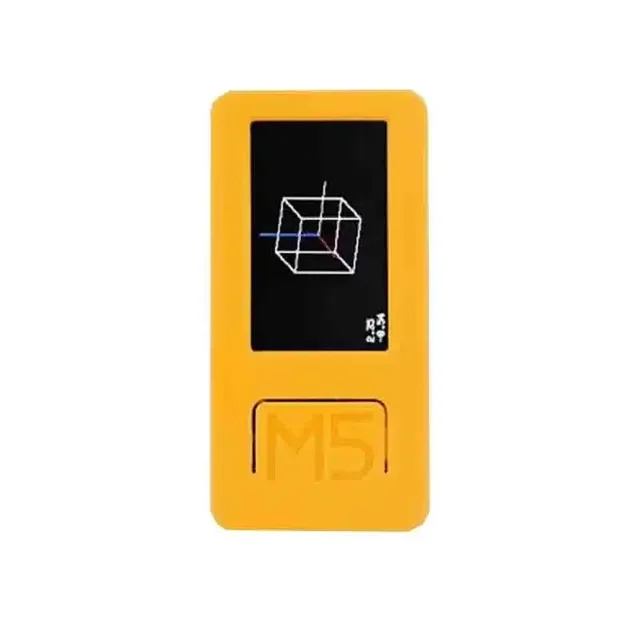 M5StickC PLUS2 A pocketable, battery-powered ESP32 gadget in a finished case with screen, buttons, IMU, mic, IR and buzzer built in. Big in the M5Stack Grove/HAT ecosystem and in security-research firmware.
 -
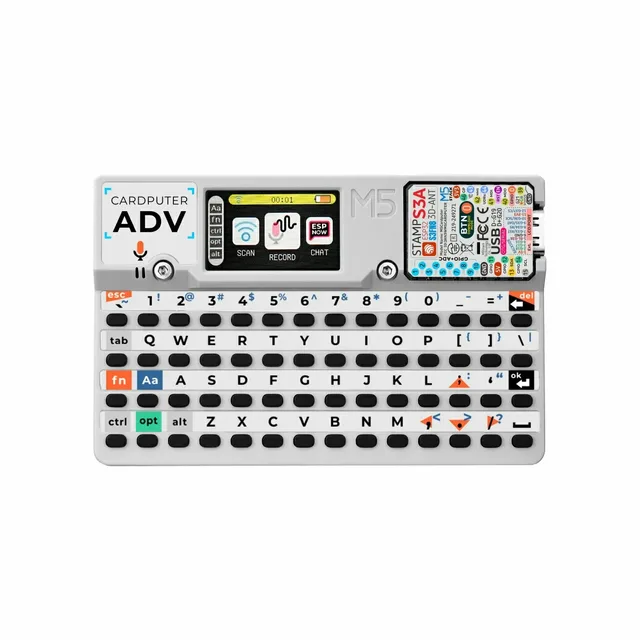 M5Stack Cardputer A pocket computer with a full 56-key QWERTY keyboard and a colour screen, built on the ESP32-S3 (StampS3). Popular for badge and hacking projects, retro UIs, handheld LLM clients and as a ready-made gadget.
 -
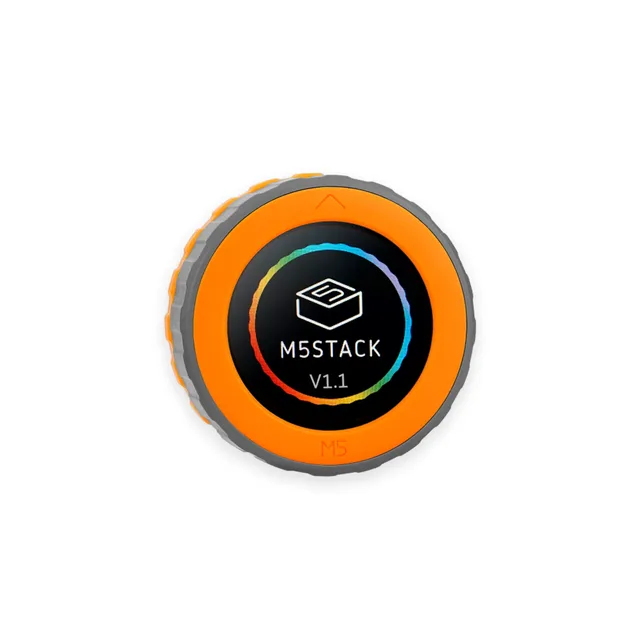 M5Stack Dial (M5Dial) The definitive smart-home knob: a finished rotary-encoder dial with a round touch screen, RFID reader, RTC and buzzer in a mountable case. A dedicated community ESPHome component makes it the easiest Home Assistant dial there is.
Dev kits
-
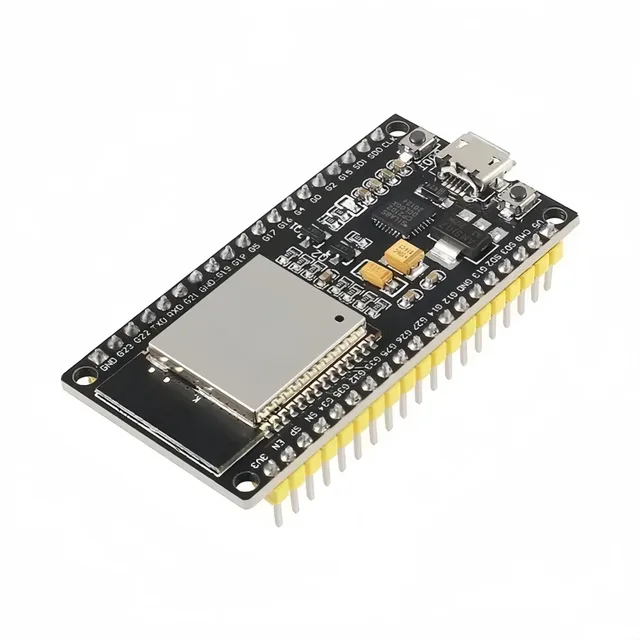 ESP32 DevKitC / NodeMCU-32S The default 'just give me an ESP32 on a breadboard' board, and what most tutorials assume. All usable GPIO on 0.1" headers, onboard USB-UART and EN/BOOT buttons.
 -
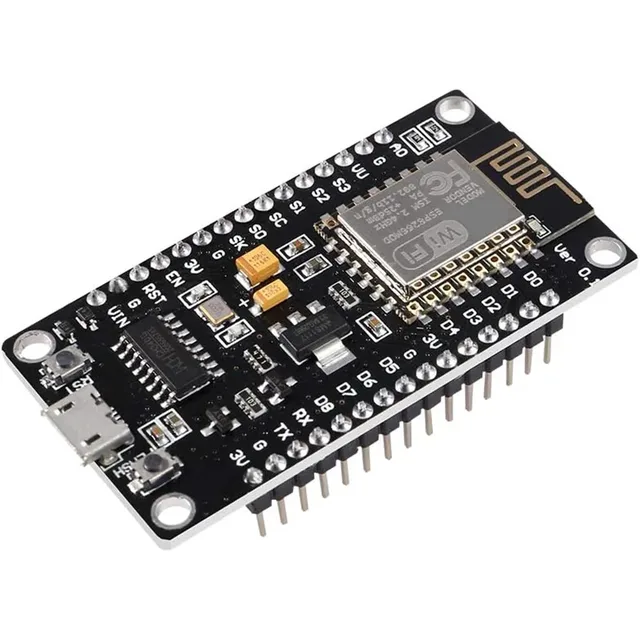 NodeMCU ESP8266 (ESP-12E) The classic ESP8266 dev board: breadboard-friendly headers, onboard USB-serial and a huge body of beginner tutorials. For years it was the default 'ESP' board before the ESP32 arrived.
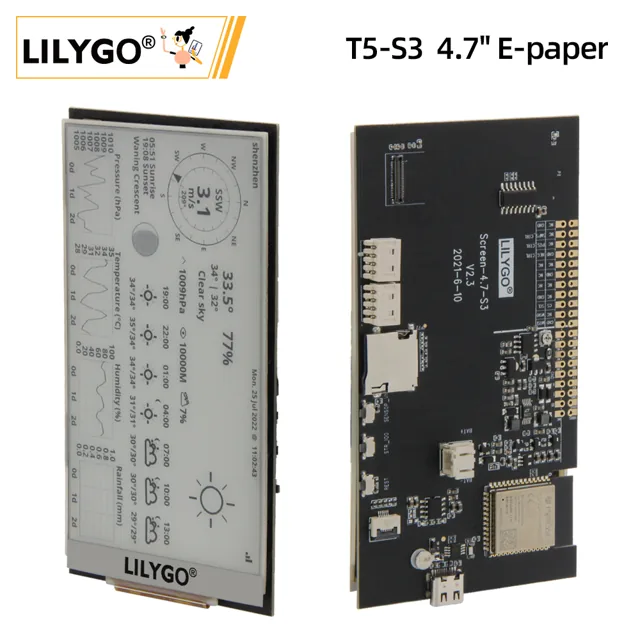 LilyGo T5 4.7" E-Paper (ESP32-S3)